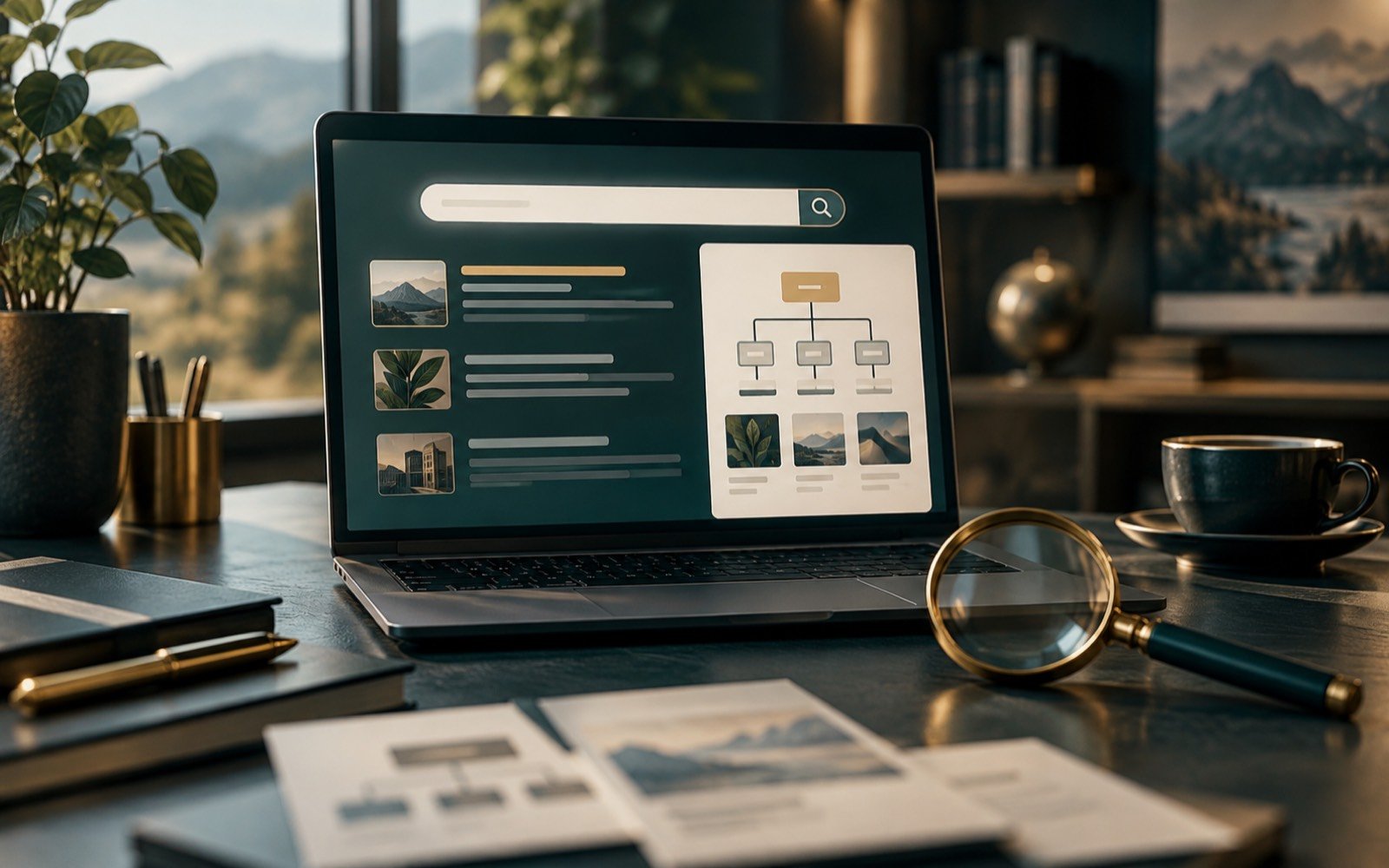
Make the offer easy to explore
Structure vehicle, service or dealership information around the questions a buyer asks before contacting you.
Industries
Vehicle buyers move between research, comparisons and local conversations. I help automotive businesses connect their brand and campaign work with useful enquiries, showroom interest and an organised follow-up process.
Enquire about working together ↗
THE APPROACH
Structure vehicle, service or dealership information around the questions a buyer asks before contacting you.
Align creative, landing pages and enquiry routes with the market you serve and the action you want a customer to take.
Review how enquiries are assigned, contacted and progressed so digital reporting reflects the real customer journey.

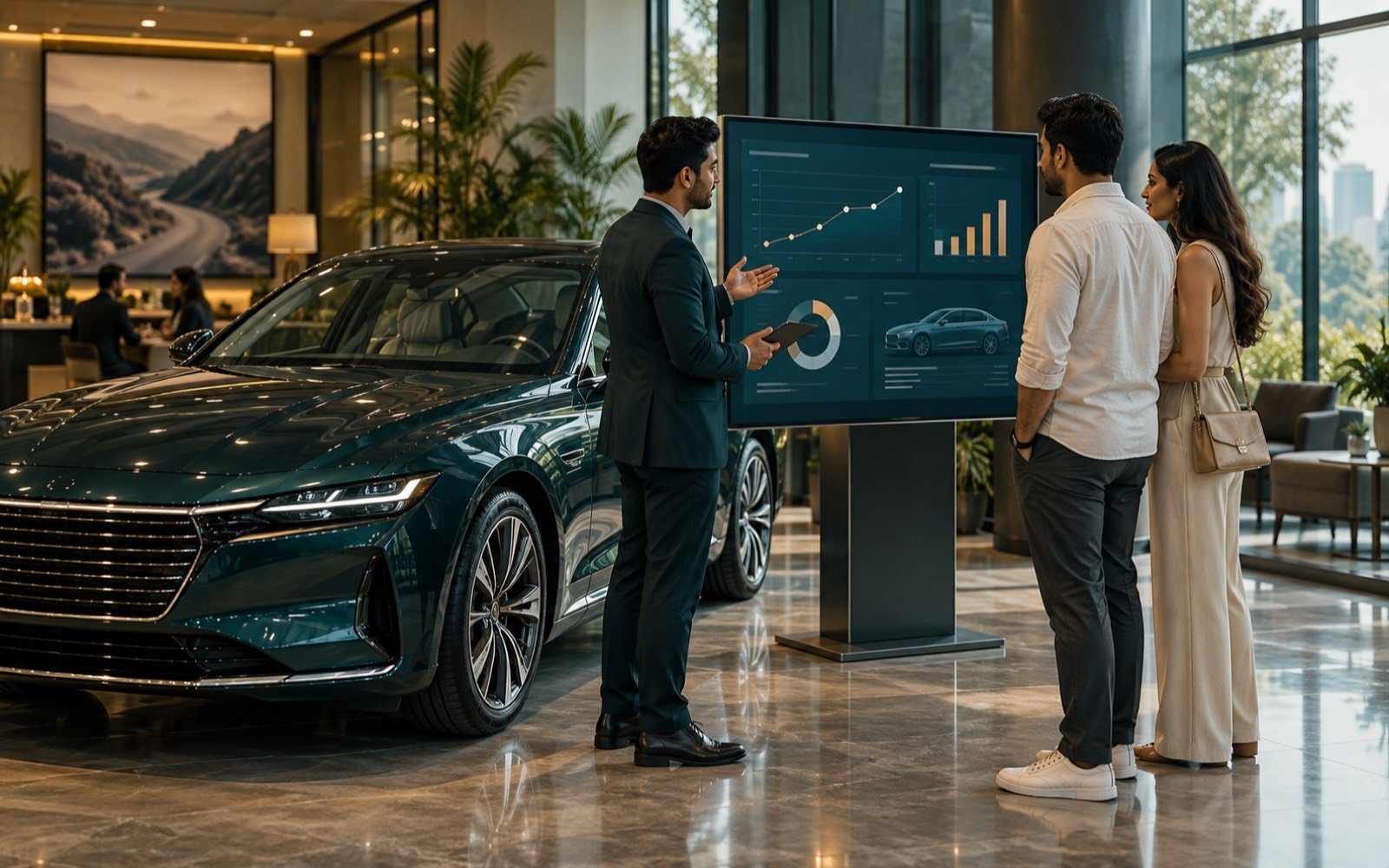
Bring your locations, product range, buyer profile and enquiry process. We can separate broad interest from the actions that your team can meaningfully follow up.
Explore the business audit & strategic plan →Yes. I can help with campaign concepts, creatives, presentations and video content. Production requirements and the approval process are scoped before a delivery date is agreed.
Vehicle buying combines long research with a local decision. People compare models online for weeks, then visit a showroom or workshop. Marketing for automobile businesses should make the offer easy to understand, bring the right local buyers forward and make sure the showroom team follows up while interest is still warm.
Buyers research extensively before contacting a dealer. They compare models, read reviews, watch videos, check prices and finance options and consider resale value. Family members often take part, and the visit to the showroom is typically a late step.
Service and aftersales work differently. The need is often urgent or recurring, the customer searches locally and trust in the workshop decides. Used vehicles add another layer, with buyers scrutinising condition, history and price. These are different journeys and should not be handled with one message.
Finance and exchange are a major part of the decision, so information on them should be easy to find and easy to act on, with a clear route to speak to someone.
The first leak is the gap between online interest and the showroom. Enquiries arrive, but follow-up is slow, details are missing or calls come from different people with different information. The second is a lack of local focus: campaigns reach people who live too far to visit.
The third is information that is hard to find. Variants, on-road price approach, offers, availability and finance options are what buyers want to know, and if the website hides them, buyers go elsewhere. Reporting is the fourth: marketing counts leads while the showroom counts visits and bookings, and nobody sees the whole picture.
Reviews and ratings on local listings leak reputation when ignored. Answering them promptly and politely is part of marketing, and prospective buyers do read the replies.
The quality of local listings, photos and opening hours is a small thing that matters a great deal. Wrong information sends customers away before any campaign has a chance to work.
Search and map results capture local intent, such as people looking for a dealership or a service centre nearby, and need accurate listings and reviews. Video is powerful for showing vehicles, features and comparisons. Paid social and display can announce launches and offers in a defined area.
Messaging apps are often where customers prefer to talk, so enquiry handling should include them. Manufacturer programmes, dealer-level campaigns and local activity have to fit together, and any brand guidelines from the manufacturer should be followed. The mix depends on whether the goal is new sales, used stock, service or a launch event.
Launch periods and festive seasons see peaks in interest. Plan creative, stock information and staffing together so that a good campaign is not undone by a showroom that cannot cope.
The measures that matter are relevant buyer enquiries, test drive or service interest, appointments made and kept, and bookings or service visits, tied back to the source. Cost per enquiry is only a starting point; cost per test drive is closer to the truth.
This requires the showroom team to record outcomes, even in a simple shared system. Call tracking and form tracking help to link online activity to offline results. Because sales cycles are measured in weeks, I look at early indicators and compare like periods, being aware of seasonal and festive peaks.
For service businesses, repeat visits and reminders are a better indicator of health than new enquiries alone. Track how many customers return at the recommended interval.
Vehicle content needs strong photography and video: exterior, interior, features and real-world use. Walkaround videos, comparison explainers and short answers to common questions help buyers, and can be used on the website, social channels and by the sales team directly.
Creatives for offers should be clear about what is included and for how long. Landing pages should be built per model or per service, with local details such as address, hours and contact options. Presentations for corporate or fleet buyers need their own treatment.
Customer stories, delivery moments and service experiences make credible content, with consent. They show real people, not stock images, and they travel well on social platforms.
Pricing, offers, finance terms, mileage and safety claims should be accurate and match what the showroom will honour. Check the applicable regulator rules and consumer-protection requirements, and follow your manufacturer's brand and advertising guidelines.
Be careful with fuel-efficiency, emissions and safety statements, which should come from approved sources. For used vehicles, state condition and history honestly. Customer data collected through enquiries and test drive bookings must be handled with consent and care.
Dealers working under a manufacturer should confirm what local advertising is permitted, which assets must be used and what approvals are needed before anything is published.
I start by listening to the sales and service teams about how customers behave and where enquiries go missing. Then I review the website, listings, campaigns and enquiry routes, and map the path from the first click to a showroom visit.
I then agree the priorities: cleaner model and offer pages, local campaigns with a clear action, a defined follow-up routine and basic reporting that links all three. Creative and video are planned to support them, not produced in isolation.
Training matters as much as creative. A short guide for the sales team on how to respond to online enquiries, in the same tone as the campaigns, protects the investment.
The most frequent mistake is advertising offers that expire or vary by location without a process to update them. Customers arrive with an expectation the showroom cannot meet, and trust drops. A second is measuring success by lead volume while the showroom quietly ignores half of them.
To avoid these I agree who owns the offer information, how often it is checked and how changes reach the website and the ads. I also ask the showroom to review the quality of leads weekly, so the campaigns can be adjusted while it still matters.
A third mistake is neglecting service and used vehicles because new sales get the attention. They are often steadier sources of business and deserve their own pages, content and follow-up.
Include seasonal expectations in the plan. Launch windows, festive periods and financial year-end often change demand and should shape budgets and staffing.
If stock, pricing or offers keep changing without notice, advertising will be out of date almost immediately. If the showroom cannot follow up promptly, more enquiries will not become sales. Sort those out first.
Bring your locations, product range, buyer profile and enquiry process. A strategy session helps decide where to begin, and a digital audit shows how well the online presence supports the showroom. Hands-on execution suits launches needing creatives, video and campaigns together.
I will also ask how customers currently reach you: calls, walk-ins, messages or forms. Understanding the dominant route stops us optimising a channel that few people use.
Every enquiry that is not contacted quickly is a customer who has gone to the next dealer.
USEFUL ANSWERS
Bring your locations, product range, buyer profile and enquiry process. We can separate broad interest from the actions that your team can meaningfully follow up.
We can review Relevant buyer enquiries, Test-drive or service interest, Follow-up completion against the starting position and agree practical reporting.
Yes. I can connect the agreed brand, marketing and technology work, or guide your existing team. We will confirm responsibilities and deliverables before starting.