Brand & creative
Packaging & labels
Packaging needs to communicate clearly while fitting the product, format and selling environment. I connect packaging direction with your wider identity and work with the specifications supplied by your production team.
Enquire about this service ↗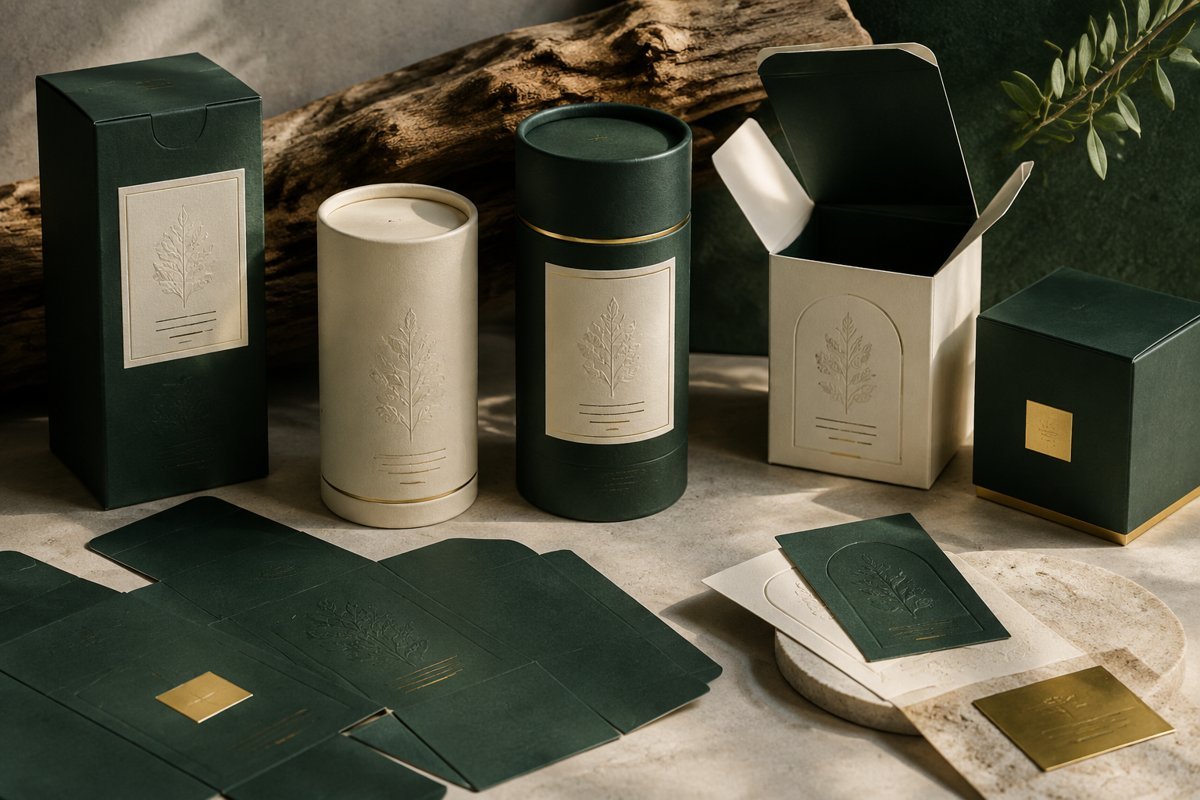
HOW I CAN HELP
Make the product story tangible.
Label and artwork design
Coordination with supplied production specifications
THE APPROACH
From the brief to a clear direction.
Yes. I can help with pack graphics, labels and the wider visual identity. The production brief should include dimensions, material, product information and printer specifications.
Pack dimensions, print requirements, product information and approved label content.
THE APPLICATION
Built around the way you work.
I can prepare artwork for the agreed production specifications and coordinate feedback. The printer should confirm dielines, colour requirements and final proofs before manufacture.
Discuss your briefPackaging is read in a few seconds, often in poor light, next to products that look much like yours. This page explains how I approach pack and label design, what the technical side involves, what your printer needs to confirm, and where businesses commonly lose time and money before anything reaches the shelf.
Packaging has two jobs, and the second one is often forgotten
The first job is communication. The pack has to tell a shopper what the product is, who it is for and why it is worth picking up, in a few seconds and at arm's length. The second job is practical. It has to carry required information, survive handling, fit the production line and print accurately on the chosen material. Design that ignores the second job creates expensive problems later.
I treat both from the start. A beautiful concept that needs a finish your budget cannot support, or a label panel too small for mandatory text, is not a good concept. So I ask about materials, printing method, quantities and regulatory content before sketching ideas, and I design inside those limits so the final result matches what you approved.
Sustainability and cost also enter the conversation. Heavier materials, extra finishes and unusual shapes raise unit cost, shipping weight and sometimes recycling difficulty. I will show you what each choice does to the design and let you weigh it against budget, rather than assuming bigger is better.
How the work is organised
I start with the product, the buyer and the place it is sold: a retail shelf, a marketplace listing, a courier box opened at home, a gift context. Each calls for a different hierarchy. A shelf product needs impact from a distance. An online product is judged as a small thumbnail first, so the front panel must work at tiny size. I also review neighbouring products to understand what visual codes the category already uses and where you can stand out without confusing the buyer.
Then I develop packaging concepts built from your identity, with a clear hierarchy of brand name, product name, variant and key benefit. Once a direction is chosen, I build it out across the range, so variants are distinguishable but still feel like a family. Finally I prepare artwork to the specifications your production team supplies.
- Brief: product, buyer, sales environment, quantities and budget limits.
- Category review: what neighbouring products signal and how you will differ.
- Concepts: front-of-pack hierarchy, colour logic and structure of the range.
- Label content: layout of mandatory and optional information using your approved text.
- Artwork: files prepared against the printer's dieline and specifications.
The technical side, in plain terms
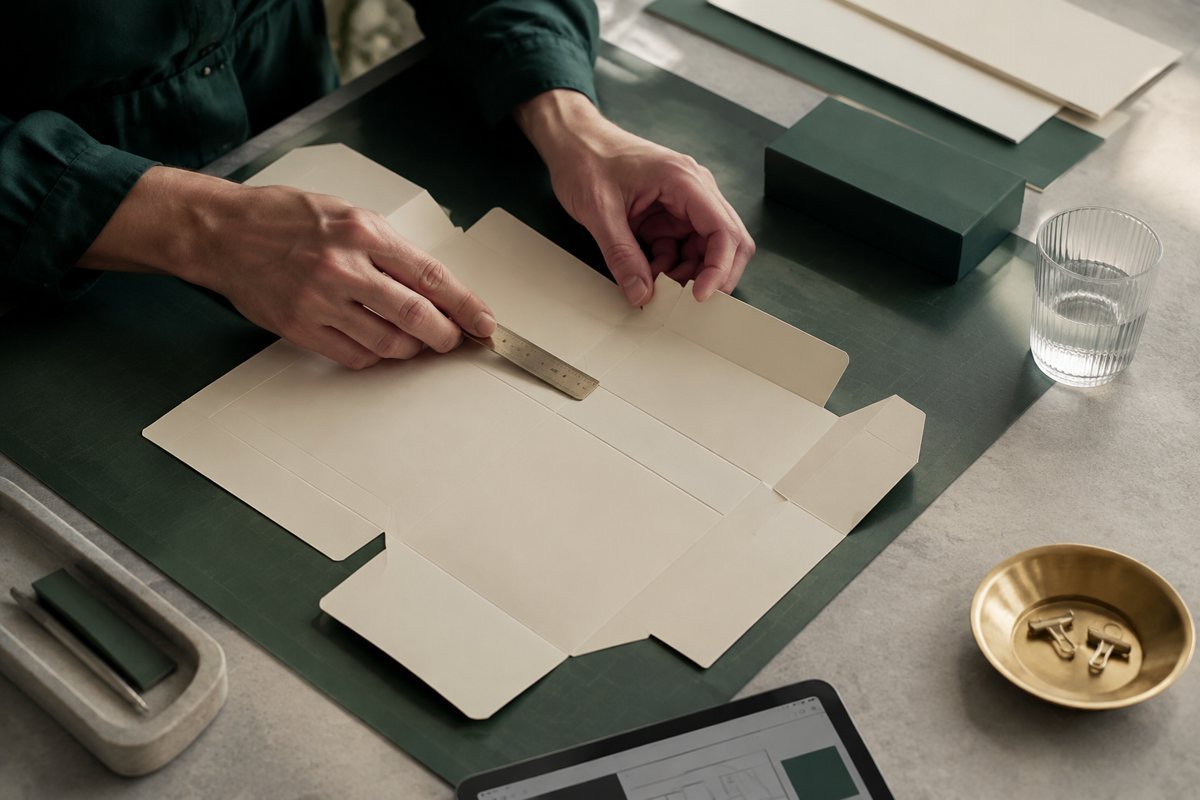
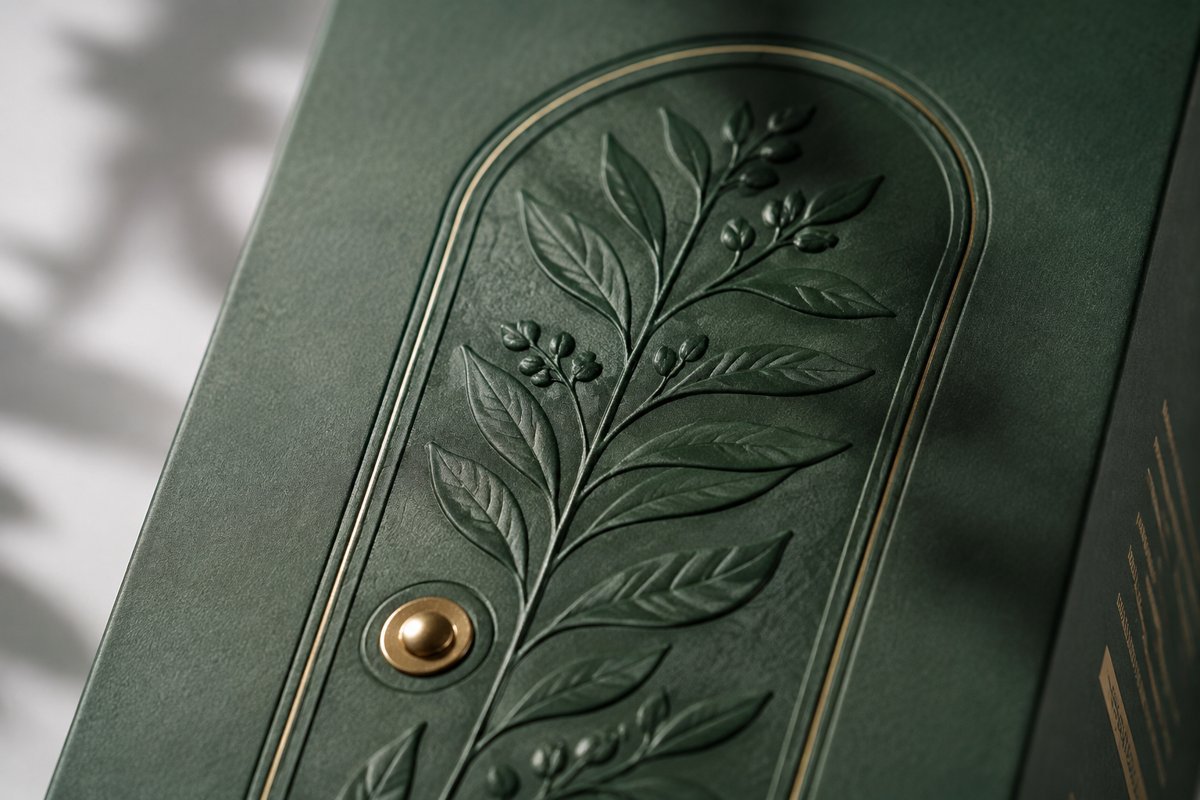
Print production has vocabulary that surprises first-time buyers. A dieline is the flat template showing cuts, folds and glue areas. Bleed is the extra artwork beyond the cut line, so that trimming variations do not leave white edges. Print colours may be built from process inks or specified as spot colours, and the same colour can look different on coated paper, uncoated board, film or metal. Finishes such as foil, embossing or varnish add cost and have their own file requirements.
This is why I work from your printer's actual specifications rather than a generic template. I prepare the artwork against their dieline and colour requirements and coordinate feedback. The printer should still confirm the dieline, colour handling and provide a proof before the production run. A physical proof or sample is worth the cost, because screens cannot show how colour and material behave together.
Label content and compliance
For many products, the label is not purely a design decision. Food, cosmetics, supplements, household chemicals and electronics each carry rules about what must appear and sometimes how large it must be. These requirements vary by product category and by the markets you sell in. I design the layout so the required content fits cleanly, but the content itself, including claims, ingredients and statutory statements, must come from you and be verified by whoever advises you on compliance.
I do not write or approve regulatory claims. What I can do is flag early when the amount of required text will crowd the design, so we can adjust the pack size, the panel arrangement or the amount of secondary copy. Finding this out during concept stage is far cheaper than discovering it after the printing plates are made.
Mistakes that cost the most
The biggest is finalising design before checking the production route. Changing a box structure after artwork is complete means rebuilding every file. Next is ignoring range logic. If each flavour or size looks like a different brand, the shopper cannot find the right one, and your best sellers do not help the rest of the range. A third is cluttering the front with every benefit. When all claims shout, none is heard.
Another is approving on a screen and skipping proofs. Colours, especially strong brights and dark tones, can shift in print. And finally, legibility: small, low-contrast text on textured or glossy materials. Test the pack in real conditions, in a shop-like light and from a metre away, before sign-off.
- Decide the structure and material before the artwork.
- Give each variant a clear, quick identifier such as colour or a flag.
- Keep the front panel to one main message and one supporting point.
- Request a printed proof or sample before the full run.
What I need from you
Exact dimensions or the printer's dieline, the material and print method if known, quantities, and your approved label text, including any statutory content. Send product photos or samples, details of where the product will be sold, and a few competitor or reference packs you like or want to avoid. If your logo and identity are not settled, we should resolve that first through Logo and visual identity.
Also tell me your timeline in terms of dates that matter, such as a launch, a trade show or a seasonal window, and who must approve the design. I work with the specifications supplied by your production team, so introduce me to them early. A short call between us usually clears up questions that otherwise cost several days of emails.
How to judge whether the design is working
I cannot promise sales, and packaging is only one factor alongside price, distribution and the product itself. But there are sensible checks. Can a person identify the product category and the variant in a few seconds? Does it remain legible in a small online thumbnail? Does the printed result match the approved proof? Does the range look related? If you sell through retailers, ask their buyers what they notice first.
Packaging also connects with other work. The campaign look should follow from it, which is where Marketing creatives comes in, and the product's story should match your Brand strategy and positioning. If you sell online, E-commerce experiences covers how the product appears on the page, where the pack is often the first image a customer sees.
Settle the structure, material and printer's specifications before you settle the artwork.
When this is not the right move
If you are still testing whether a product sells, avoid heavy investment in custom packaging. A simple, well-printed label on a standard container can validate demand at much lower cost, and you will learn what customers care about before committing to tooling or large print runs.
Likewise, if the product formulation, size or regulatory status is not final, wait. Redesigning labels repeatedly is wasteful. I would rather help you plan a staged approach, a clean first label now and a fuller packaging system when the range and volumes are clearer.
WAYS TO WORK TOGETHER
A focused project. Or ongoing support.
Start with a strategy session. We can then agree a project brief, a focused consultation or an ongoing engagement around your priorities.
YOUR QUESTIONS, ANSWERED
Packaging & labels FAQs
Scope, preparation and what happens next.
Can you design packaging as well as labels?
Yes. I can help with pack graphics, labels and the wider visual identity. The production brief should include dimensions, material, product information and printer specifications.
Will you coordinate print-ready artwork?
I can prepare artwork for the agreed production specifications and coordinate feedback. The printer should confirm dielines, colour requirements and final proofs before manufacture.
What should I prepare for our first conversation?
Pack dimensions, print requirements, product information and approved label content.
How are the scope and timeline agreed?
I review your requirements, starting material and target date before proposing milestones. For packaging & labels, the schedule depends on complexity, review rounds and the access or assets needed.
How much does this service cost?
Start with a strategy session at ₹2,999 + GST. A digital audit starts from ₹19,999 + GST, and ongoing monthly options start at ₹50,000 + GST for SEO consulting or ₹75,000 + GST for a consulting retainer. Project delivery is scoped and quoted separately; we can choose the right arrangement for your brief.